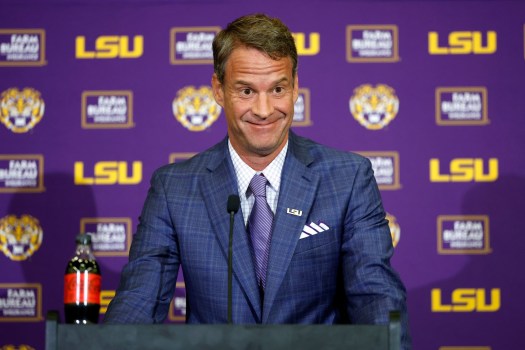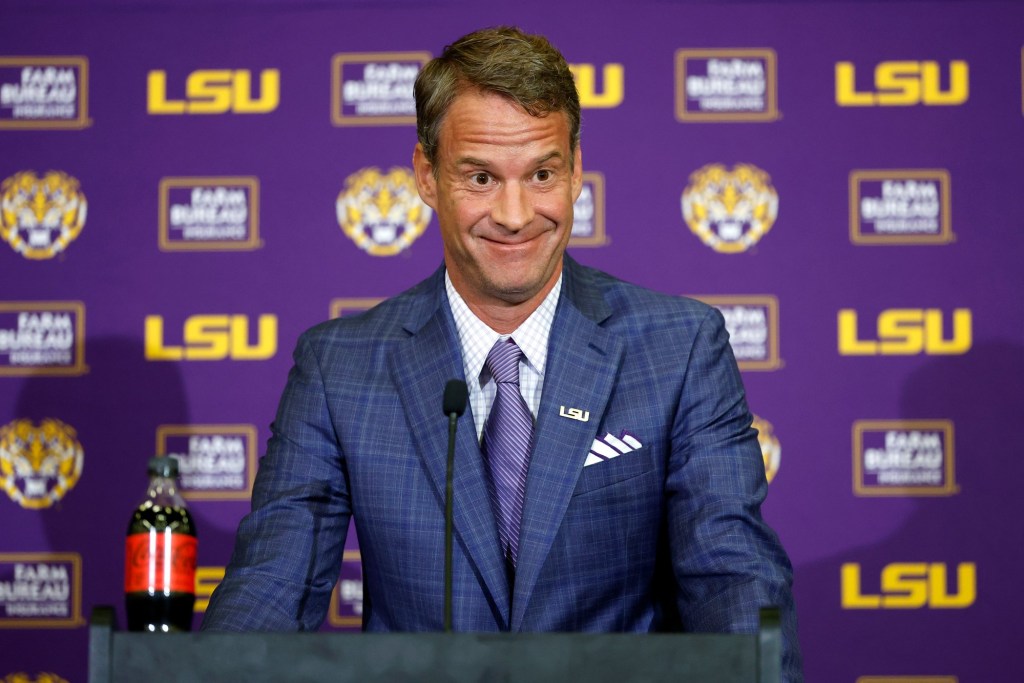
Lane Kiffin has made headlines once again as he transitions from Ole Miss to LSU, a move that has stirred up reactions reminiscent of his tumultuous coaching past. As Kiffin boarded a private plane in Oxford, Mississippi, departing for his new role in Baton Rouge, he was met with a chorus of boos and unfriendly gestures from fans. This scene may have seemed fitting considering Kiffin”s history with abrupt exits from previous coaching positions.
Notably, when Kiffin was dismissed by USC in September 2013, the dramatic narrative surrounding his firing was somewhat exaggerated. Contrary to popular belief, he was not let go right on the tarmac after a disappointing loss but rather in a conference room at the airport, as he clarified in a recent interview. “I wasn”t left on the tarmac,” he remarked, providing context to an often-repeated tale.
This latest move has drawn criticism, especially as Kiffin leaves Ole Miss at a crucial moment when the team is on the verge of reaching the College Football Playoff. His decision to accept the LSU position while attempting to take some of his coaching staff with him has raised questions about loyalty and integrity in college football. The actions of Kiffin reflect a broader issue within the sport, where coaches frequently switch affiliations without facing the same scrutiny as players.
In a twist of irony, Nick Saban, who once mentored Kiffin at Alabama, has been implicated in helping Kiffin secure this new role. Saban”s influence is evident, as he publicly stated that Kiffin should have been allowed to coach Ole Miss through the playoffs, despite his acceptance of the LSU job.
The complexities of the college football calendar further exacerbate the situation. With the championship game scheduled for January 19 in Miami, the overlap with recruiting timelines and the transfer portal has created a chaotic environment. This season”s competitive calendar clashes with the recruiting calendar, which may lead to further complications as coaching changes occur.
Moreover, Kiffin”s new contract with LSU is significantly more lucrative than his previous agreement with Ole Miss, reportedly worth seven years and $91 million, which highlights the disparities in how coaches are compensated compared to players. This financial aspect raises further questions about the ethics of college athletics, where coaches are often celebrated for pursuing better opportunities while players face criticism for seeking their own advantages.
In a broader context, Kiffin”s actions serve as a reminder of the often hypocritical nature of college football, where the expectations for coaches and players differ greatly. The ongoing saga of Kiffin”s coaching career continues to unfold, and it remains to be seen how this latest chapter will impact his reputation and the programs involved.