The Chicago Bears are currently focused on their crucial Wild Card matchup against the Green Bay Packers. This game holds significant weight for the team, as their entire season hinges on the outcome. Analysts have been skeptical about the Bears” chances, with many predicting a tough contest ahead. However, in the midst of this pressure, one player is celebrating a significant achievement.
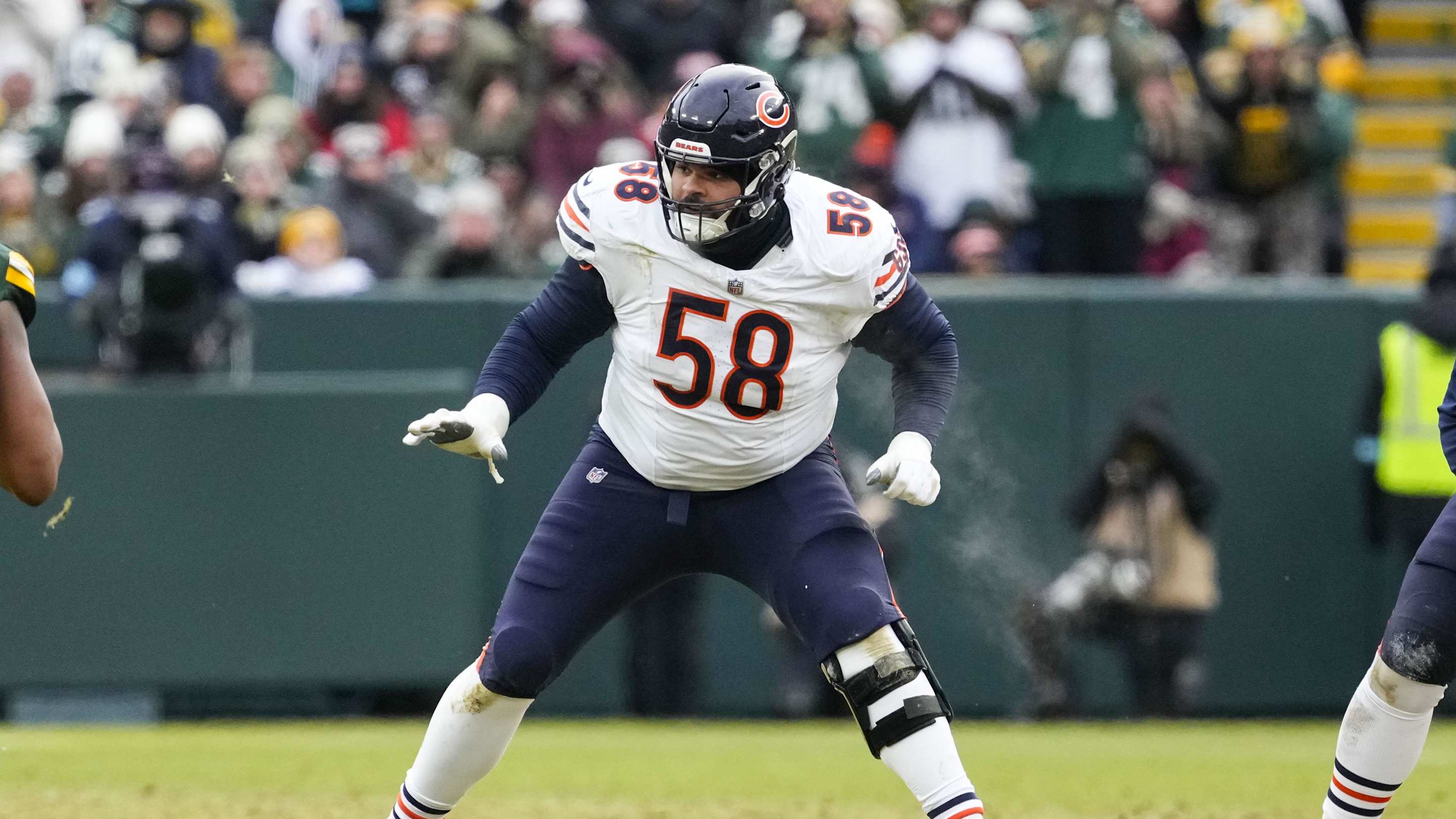
On Saturday morning, the NFL unveiled the names of the AP All-Pro selections, and right tackle Darnell Wright secured a spot on the second team. This marks his first accolade as an NFL player, following a previous Pro Bowl snub for 2026. Joining him on the All-Pro list are guard Joe Thuney, who received his fifth All-Pro honor, and safety Kevin Byard III, earning his third.
This recognition is a notable milestone for Wright, and it undoubtedly brings joy to his teammates. However, it complicates matters for general manager Ryan Poles, who now faces increased pressure regarding Wright”s contract extension. With an All-Pro designation to his name, Wright is in a strong position to negotiate a deal that could significantly reshape the offensive tackle salary landscape.
Wright”s durability also adds to his value; he has only missed two games over three seasons, establishing himself as a critical component of the Bears” offensive line. As the team navigates a tight salary cap for 2026, the pressure intensifies. Should the Bears” plans unfold successfully, quarterback Caleb Williams will likely demand a historic contract extension in 2027, potentially accompanied by hefty deals for players like Rome Odunze and rookie standout Colston Loveland.
The challenge of managing these contracts is substantial, underscoring the importance of maintaining team cohesion. While the hope is that Wright might take a hometown discount, it is clear that retaining him will not come cheap. For Bears fans, this situation presents a unique challenge—a positive one, as it reflects a team filled with talented players capable of demanding significant contracts.
This is a situation that has not emerged for the Bears in many years, highlighting the positive trajectory of the franchise. Successful teams often grapple with managing high-value contracts, and Poles will need to strategize effectively to keep this core group intact. Other franchises have successfully navigated these waters while remaining competitive, leading to an intriguing question: why not the Bears?