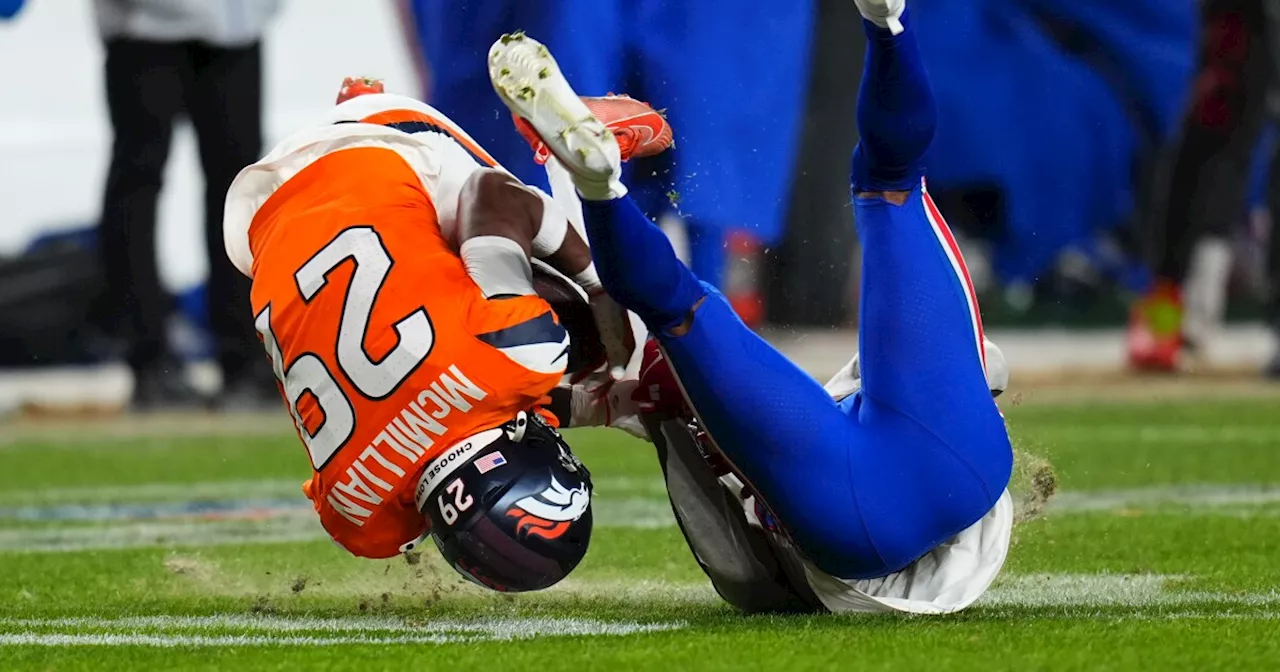
The Buffalo Bills” playoff exit at the hands of the Denver Broncos has reignited a heated discussion regarding the NFL”s definition of a catch. The pivotal moment occurred during overtime when a pass from Josh Allen intended for Brandin Cooks was intercepted by Ja”Quan McMillian, leading to a turnover that ultimately sealed the Bills” fate in the game.
While officials ruled the play an interception, numerous fans, coaches, and former players expressed their disagreement, arguing that Cooks had secured the ball before hitting the ground. This incident highlights the ongoing confusion and frustration surrounding the complexities of what constitutes a completed catch in the league.
Bills head coach Sean McDermott voiced his disappointment not only with the ruling itself but also with what he perceived as a rushed review process. He emphasized the necessity for a more thorough examination of crucial plays, especially given the high stakes of playoff football.
The particular play in question involved Cooks appearing to gain control of the ball and going to the ground, only to have it dislodged by McMillian. Referee Carl Cheffers clarified that since the defender gained possession before Cooks was down by contact, it was classified as an interception. Many observers, however, contend that Cooks maintained sufficient control of the ball, asserting it should have been ruled a catch.
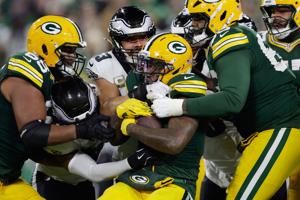
This situation draws parallels to previous notable cases, such as the controversial non-catch by Dez Bryant during a 2015 playoff game against the Green Bay Packers. These instances have prompted rule changes and clarifications over the years, yet the interpretation of key phrases like “control” and “an act common to the game” remains subjective, leading to inconsistent rulings on the field.
The recent incident underscores the difficulties teams face when critical calls impact the integrity of the game. McDermott”s frustration with the swift decision and the lack of a comprehensive review reflects broader concerns within the league.
As the NFL continues to grapple with the definition of a catch, the latest controversy serves as a reminder of the need for clearer and more consistent rules to protect the integrity of the sport for both players and fans alike. Until the definitions are refined, similar debates are likely to persist in the future.