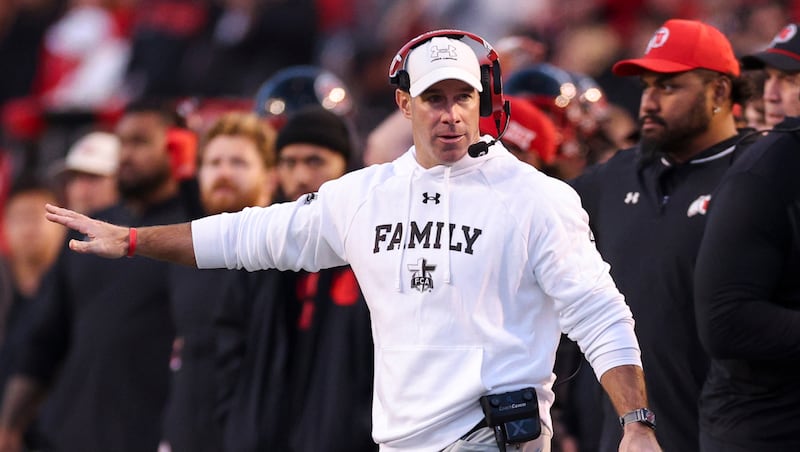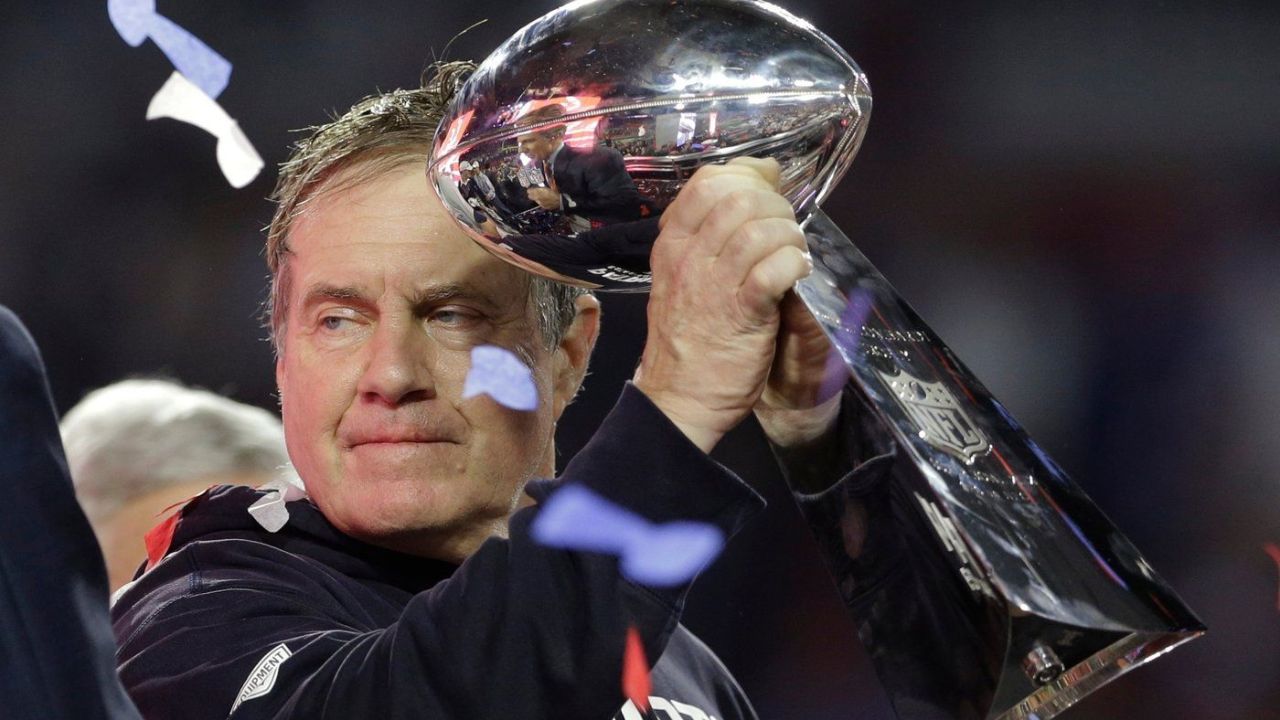
The reported exclusion of Bill Belichick from the Pro Football Hall of Fame, despite his record six Super Bowl victories as a head coach, has ignited scrutiny over the Hall”s selection process. While the exact reasons behind Belichick”s omission during his first year of eligibility remain unclear, several factors may have influenced the decisions of at least 11 of the 50 voters who chose not to support one of the game”s most distinguished coaches.
One significant aspect could be Belichick”s involvement in the “Spygate” scandal of 2007, which might have similarly affected his candidacy as the steroid controversy has impacted the baseball Hall of Fame, keeping luminaries like Barry Bonds and Roger Clemens out of Cooperstown. Additionally, recent changes to the Hall”s voting rules may have played a role. These adjustments included the elimination of the five-year waiting period for coaches, allowing Belichick to be eligible after just one season away from coaching.
The new regulations have also complicated the voting process, evident from last year”s induction of only four individuals—the smallest class in two decades. Coaches now compete directly with players in the seniors category, rather than being evaluated independently.
Understanding the Selection Process
To become a finalist, coaches are now distinct from contributors. A specialized committee narrows down the candidates to a single finalist, which this year was Belichick. He was considered alongside Robert Kraft, owner of the New England Patriots, and three senior players who have not competed in the last 25 seasons: Ken Anderson, Roger Craig, and L.C. Greenwood.
The largest group of finalists originates from the modern era category, comprising 15 players selected through a rigorous process. This begins with a screening committee that identifies 50 nominees, which are subsequently narrowed down to 25 semifinalists and finally to 15 finalists. Players who reached the final seven and did not gain induction the previous year are guaranteed a spot in this final group.
Who Determines Induction?
The selection committee is made up of 50 voters, including 32 media representatives from each team and various at-large voters, some of whom are Hall of Famers like Bill Polian, Tony Dungy, Dan Fouts, and James Lofton. Earlier this month, the voters convened via video conference, during which one voter presented their case while others contributed to a debate surrounding the candidates. Voting is conducted via secret ballot, with results revealed on February 5 during the “NFL Honors” event in San Francisco.
To secure induction into the Hall of Fame, a candidate must achieve 80 percent approval from the voters—this means at least 40 of the 50 must support the candidate. The process has become increasingly complex; previously, five modern era finalists received a straightforward up-or-down vote, along with senior finalists and any coach or contributor reaching the final stage. This typically resulted in several modern era players being inducted, alongside most senior candidates, coaches, and contributors. However, the current system poses greater challenges.
Voters now narrow the list of modern era candidates from 15 to 10, then to seven, with a final vote among those seven allowing each voter to select only five players. If prominent candidates like Drew Brees and Larry Fitzgerald draw significant backing, this could reduce the votes available for other candidates in the final seven to reach the essential 80 percent threshold. Last year, only three modern era players—Eric Allen, Jared Allen, and Antonio Gates—gained induction.
A similar method applies to seniors, coaches, and contributors, with voters allowed to select three finalists. The individual with the highest number of votes, along with any other candidates achieving 80 percent support, is inducted. Last year, only Sterling Sharpe met this requirement from the finalist group, while players Maxie Baughan and Jim Tyrer, coach Mike Holmgren, and contributor Ralph Hay did not qualify.