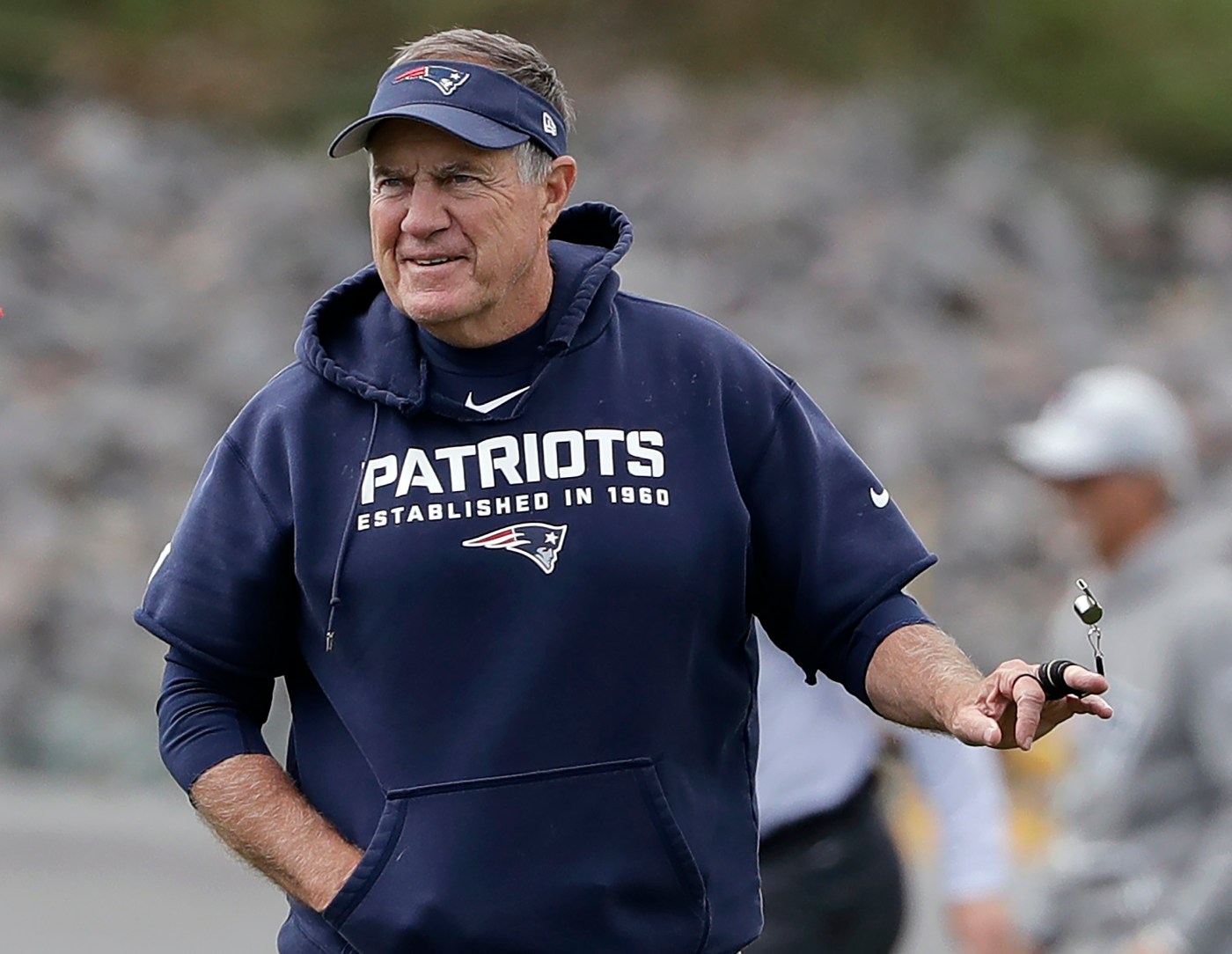
This week, the voting process for the Pro Football Hall of Fame drew significant criticism as voters decided that Bill Belichick, a head coach with six Super Bowl victories, was not deserving of first-ballot selection. The decision has been compared to the absurdities often associated with the Hollywood Foreign Press Association, highlighting the flaws in the Hall of Fame voting system, which some believe resembles a circus rather than a serious evaluation of football excellence.
Among the 50 voters, which include media members and Hall of Famers like Tony Dungy and Bill Polian, the requirement for induction is 40 votes. Belichick, who holds the record for the most NFL championships as a coach, fell short of this threshold. Consequently, just over 20% of the voters discredited their own credibility by not voting for him.
Critics of the voting process have pointed out that it lacks the transparency and fairness seen in other sports. While the Baseball Writers Association of America has around 400 voting members who do not engage in lobbying during their selection process, the Hall of Fame voting for football sees a small group of voters discussing and lobbying for their preferred candidates.
In an attempt to justify his decision, Vahe Gregorian of Kansas City explained his choice not to vote for Belichick, expressing concern for senior players potentially facing their last chance for induction. He acknowledged that Belichick”s induction is “inevitable” and that he should not have to wait, effectively contradicting his own vote.
This situation has drawn attention from notable figures, including ESPN analyst Adam Schefter, who remarked, “They made an embarrassing mistake.” The consensus among fans and analysts is that Belichick”s induction should be immediate. Tom Brady, a close associate of Belichick, commented, “If not a first-ballot Hall of Famer, there”s really no coach that should ever be a first-ballot Hall of Famer, which is completely ridiculous because people deserve it.”
The voting process has also faced scrutiny regarding potential biases, particularly with the case of Eli Manning, who many believe should have been a first-ballot selection last year. Manning”s accomplishments, including two Super Bowl victories against Belichick and Tom Brady, have been overshadowed by his .500 regular-season record. Nevertheless, his performances in those championship games have solidified his legacy.
In light of the recent voting outcomes, discussions surrounding the Hall of Fame”s credibility have intensified. If a coach of Belichick”s stature cannot secure a first-ballot nomination, many argue that the institution must reevaluate its criteria and processes. As it stands, failure to recognize the contributions of coaches like Belichick could diminish the Hall”s reputation and integrity.
As the debate continues, it remains clear that the selection process needs reform. The Hall of Fame should honor the greatness of its candidates, ensuring that deserving figures like Bill Belichick are recognized without delay.