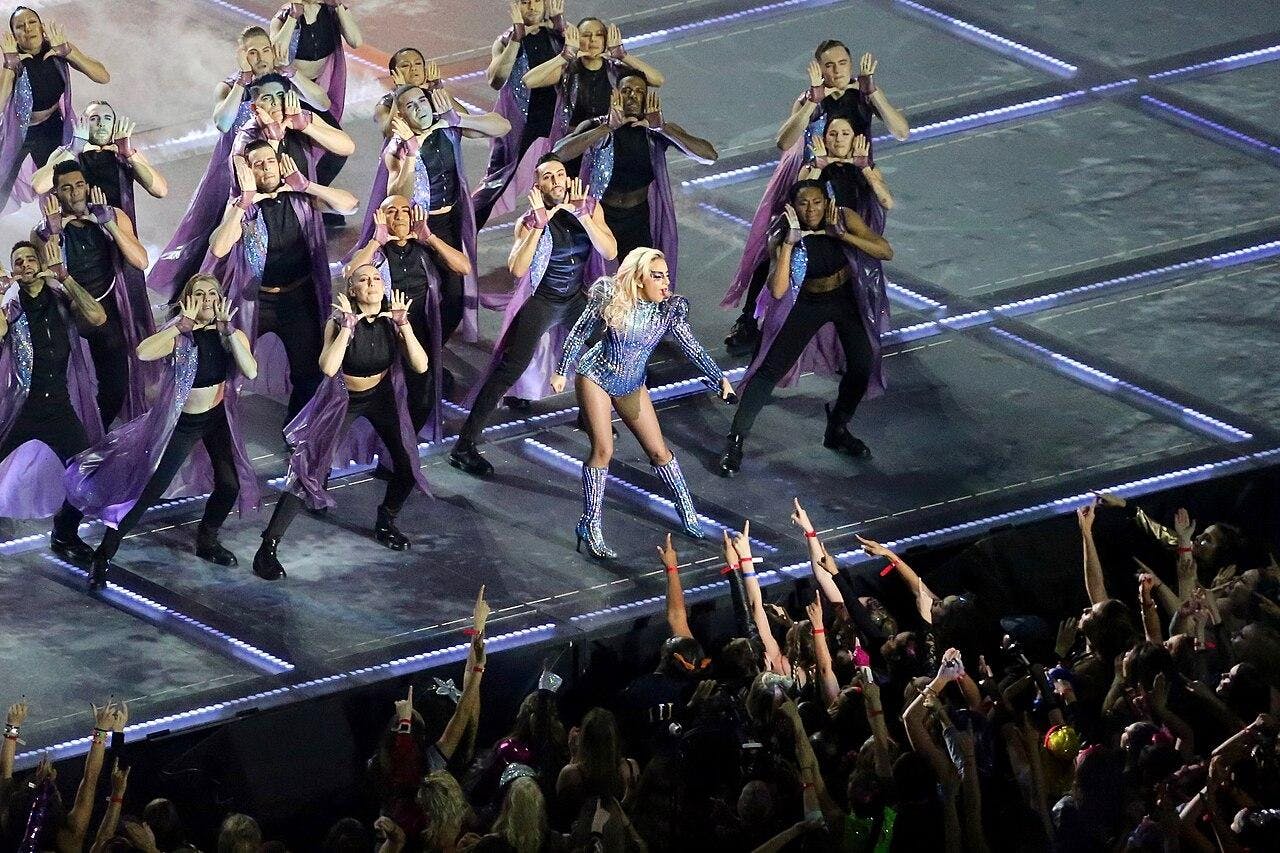
The Super Bowl halftime show has evolved dramatically from its humble beginnings, transforming into a global spectacle that captivates millions. Initially viewed as a simple intermission, halftime has turned into a 15-minute extravaganza filled with musical performances, elaborate sets, and vibrant costumes.
To understand this transformation, we must travel back to 1967, a pivotal year in American history. During January of that year, fans gathered in the Los Angeles Coliseum for the inaugural AFL-NFL World Championship Game, where the Green Bay Packers faced the Kansas City Chiefs. As the game paused, the stands filled with excitement when the University of Arizona Symphonic Marching Band took the field.
Jerry Gay, a trumpet player in the band, recalled, “We had a big sound; when we played, you could feel it.” Accompanied by the Grambling State Marching Band and renowned trumpeter Al Hirt, the band performed familiar tunes like “The Sound of Music” and “William Tell Overture.” Their performance was spectacular, highlighted by two men flying above the field on jet packs, a sight that left the audience in awe.
While the Packers won that historic game 35-10, the halftime performance left a lasting impression on the 51 million viewers watching on television. The following years saw more collegiate bands featured, with Florida A&M University and various high school bands showcasing their talents. The shows began to adopt themes, often celebrating jazz legends such as Ella Fitzgerald and Louis Armstrong, fostering a sense of national pride.
The halftime show reached a turning point in 1993 with Super Bowl XXVII, featuring Michael Jackson. This performance redefined the halftime show format, leading to increasingly high-profile acts with each passing year. The anticipation surrounding the halftime show has only grown, with artists now using the platform to convey powerful messages.
In recent years, artists like Bad Bunny have taken the stage, reflecting cultural diversity and addressing contemporary social issues. Despite facing criticism from some segments of the audience, Bad Bunny”s vibrant performance during Super Bowl LVIII celebrated his Puerto Rican roots and promoted themes of unity and pride.
While some chose to create alternative halftime shows to avoid artists they disagreed with, the mainstream appeal and spectacle of the halftime show have solidified its place in Super Bowl tradition. The show has become a realm of glitz and glamour, where the chaos and drama of performances often overshadow the football game itself.
The evolution of the Super Bowl halftime show illustrates how it has transformed from a simple marching band performance to a platform for cultural expression and entertainment, captivating audiences across the globe.