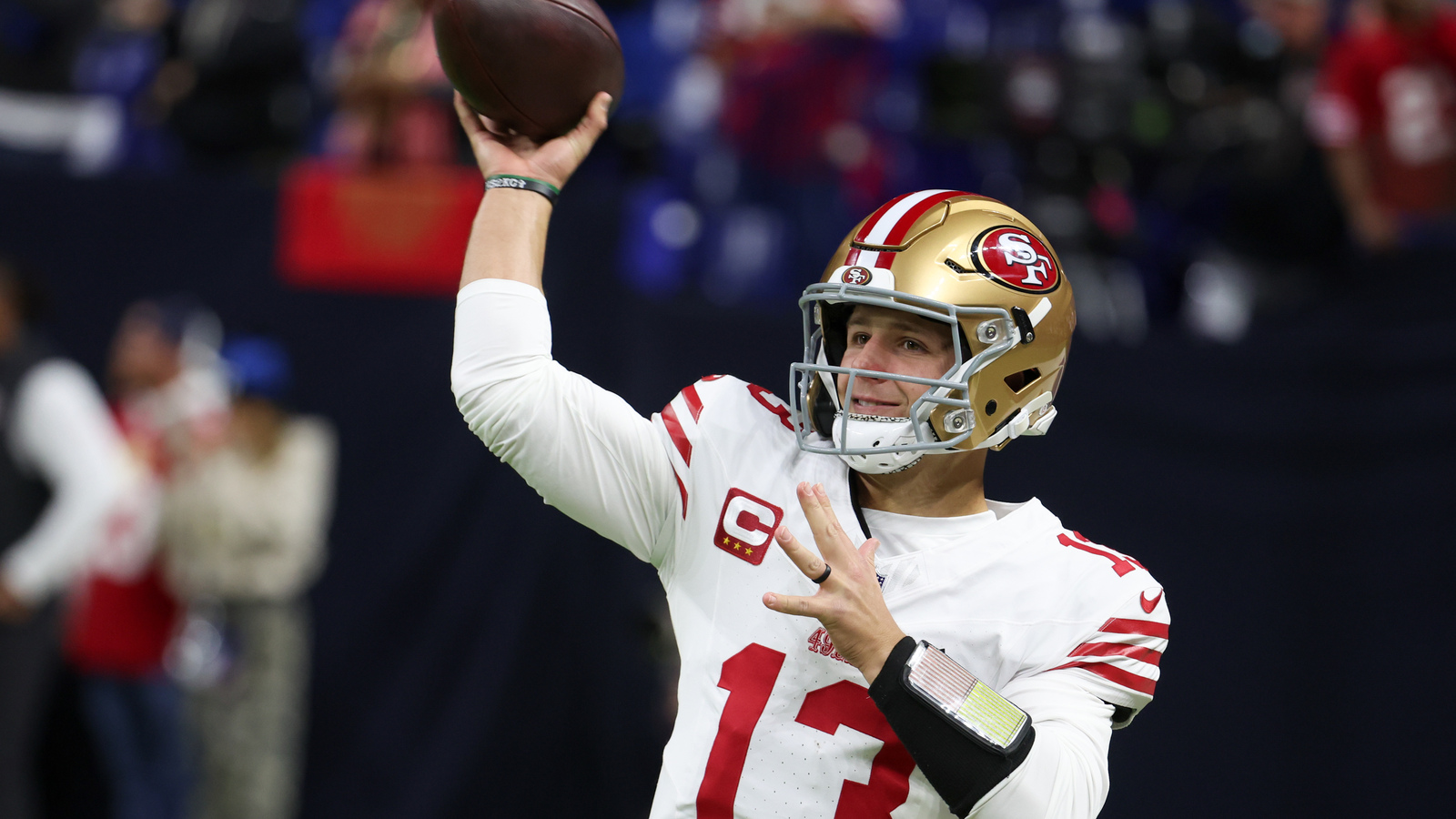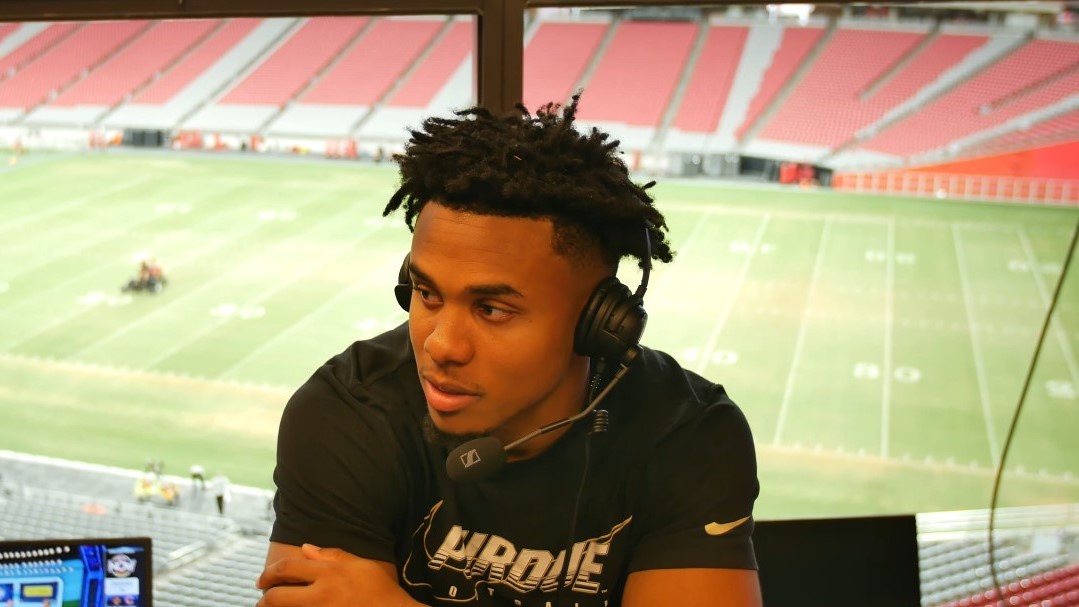
The tragic passing of Rondale Moore, a talented wide receiver in the NFL, has brought to light the immense pressures that professional athletes face. Moore, only 25 years old, died from a self-inflicted gunshot wound. The New Albany Police Department confirmed that his body was found in a garage in his hometown, with an autopsy scheduled soon after.
The news has profoundly shocked the NFL community, especially as Moore was in the process of trying to revive his career after battling injuries and facing contract uncertainties. Reports indicate that he was striving to transform brief moments of brilliance into lasting success, which often distinguishes established players from those who merely fill roster spots.
The Minnesota Vikings issued a statement expressing their deep sadness over Moore”s death and announced that they would provide counseling and emotional support for players, coaches, and staff members. The Purdue University football community also mourned his loss, remembering him as a remarkable talent who brought joy both on and off the field.
Moore”s journey began at Purdue, where he showcased extraordinary skills and became a standout player. In his freshman year of 2018, he recorded impressive stats, including over 1,200 receiving yards and 14 total touchdowns, earning accolades such as a consensus All-American designation and the prestigious Paul Warfield Trophy.
However, injuries plagued the next stages of his career, limiting him to just seven games over his sophomore and junior seasons, which raised concerns among scouts about his durability rather than his talent. Selected 49th overall in the 2021 NFL Draft by the Arizona Cardinals, Moore entered the league with high expectations but faced challenges related to his rookie contract, which provided some financial security but not long-term stability.
After spending three seasons with the Cardinals, he joined the Atlanta Falcons, but a preseason knee injury sidelined him for the entire 2024 season. In 2025, he signed with the Vikings, seen as a chance to reinvigorate his career, yet he suffered another season-ending injury in his first preseason game.
As discussions surrounding Moore”s death unfolded, attention turned to his financial situation. While NFL contracts can be lucrative, they often do not reflect the complete financial reality. Rookie contracts, endorsement deals, and team transitions can suggest financial security, yet factors like injury clauses and performance metrics create uncertainty about long-term wealth.
Moore”s net worth mirrored a young career still in its formative stages. He had not yet secured a significant second contract, which is typically essential for achieving lasting financial security in the sport. His earnings were further diminished by taxes, agent fees, and the costs associated with maintaining a high-level training regimen.
This situation underscores a critical point: financial success does not shield athletes from emotional or psychological challenges. Born and raised in New Albany, Indiana, Moore is remembered fondly by teammates, fans, and alumni, who highlight both his remarkable speed on the field and his character off it. His passing has sparked renewed conversations regarding mental health support in sports, emphasizing how injuries can isolate players from their teams and how contract uncertainties can amplify stress. The public”s interest in players” financial standings can further distort expectations.
While the Vikings have committed to offering internal counseling resources, the necessity for mental health support extends beyond any single franchise. Behind every professional athlete lies an individual grappling with pressures that often remain hidden from the public eye.