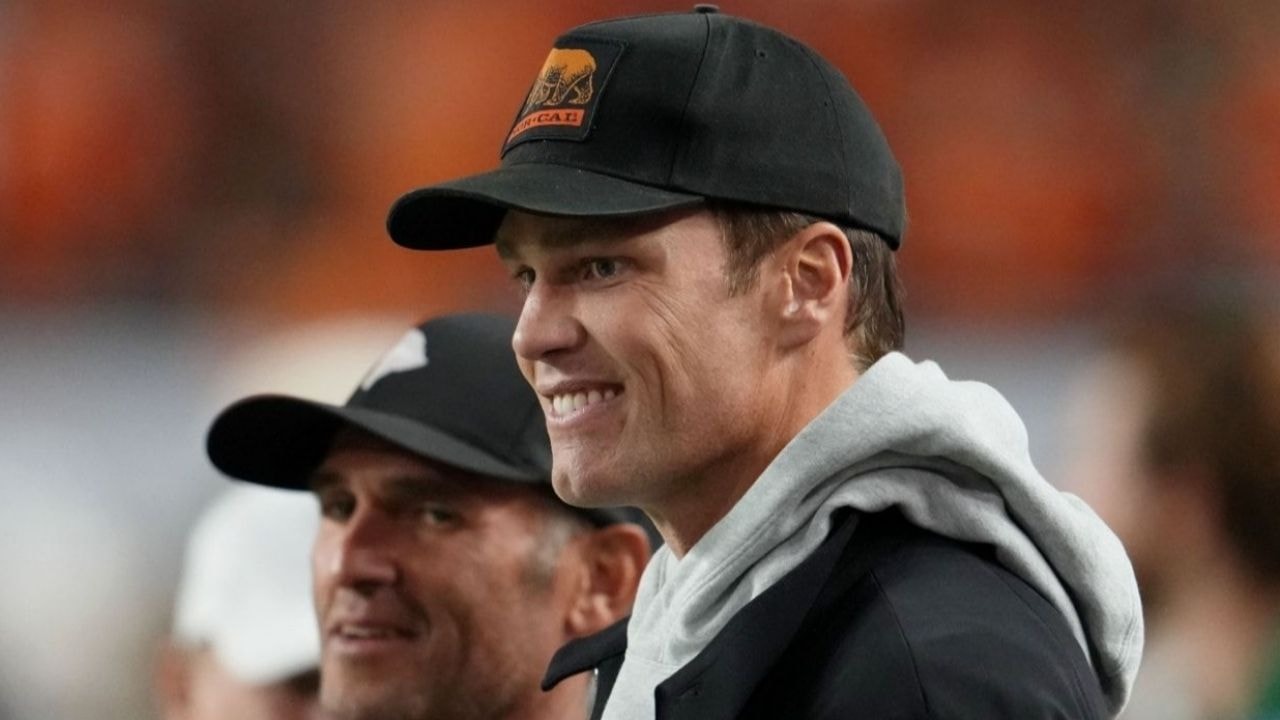
Tom Brady recently shared his insights on the potential for flag football to expand globally, especially as it gears up for its Olympic debut at the 2028 Summer Olympics. Speaking at the inaugural Fanatics Flag Football Classic held at BMO Stadium, Brady suggested that the sport”s growth may depend on some strategic adjustments rather than a complete transformation of its existing format.
Brady highlighted that flag football already encompasses key elements that make traditional football appealing, such as competition, teamwork, and skill. However, he believes that making certain rule changes could enhance the spectator experience by promoting a more exciting passing game. “I would love to see a little modification to some of the rules to bring a little more passing into it,” Brady stated, adding that viewers are eager to witness these skillful displays.
Currently governed by the International Federation of American Football, Olympic-style flag football is characterized by a fast-paced five-on-five format that emphasizes speed and agility while minimizing physical contact. Brady proposed that incorporating aspects of seven-on-seven football into the traditional flag framework could create a hybrid version that resonates more closely with what fans expect from the NFL.
He pondered the challenge of growing the sport globally, particularly in regions where tackle football has yet to gain popularity. “How do you grow globally when people don”t really want to play tackle football?” he asked. “Flag is the answer, but it has to be exciting to watch every single day.”
The inclusion of flag football in the upcoming Olympics marks a significant milestone for the sport. The Olympic format will feature a smaller playing field, eliminate linemen, and enforce strict contact limitations, resulting in a faster-paced game that differs fundamentally from tackle football.
Among Brady”s more innovative ideas is the potential to utilize the NFL”s existing conference structure for future exhibitions, pitting teams from the American Football Conference against those from the National Football Conference, complemented by top international flag football players. He argued that this format could enhance the sport”s visibility while bridging the gap between professional tackle football and the burgeoning flag football community.
Brady also commended NFL Commissioner Roger Goodell for supporting initiatives aimed at promoting flag football, especially as it prepares for its Olympic debut. The league has increasingly presented flag football as a safer and more accessible entry point into the sport, particularly in areas where full-contact football has faced challenges.
The recent exhibition highlighted that elite talent from the NFL does not guarantee success in flag football. The United States Men”s National Flag Football Team triumphed in the tournament, defeating teams comprised of current and former NFL stars by a substantial margin. Quarterback Darrell Doucette delivered an impressive performance, showcasing the quick decision-making and precision that define the flag format. These results reinforced Brady”s acknowledgment that traditional football players may be “probably way behind” in grasping the intricacies of flag football.