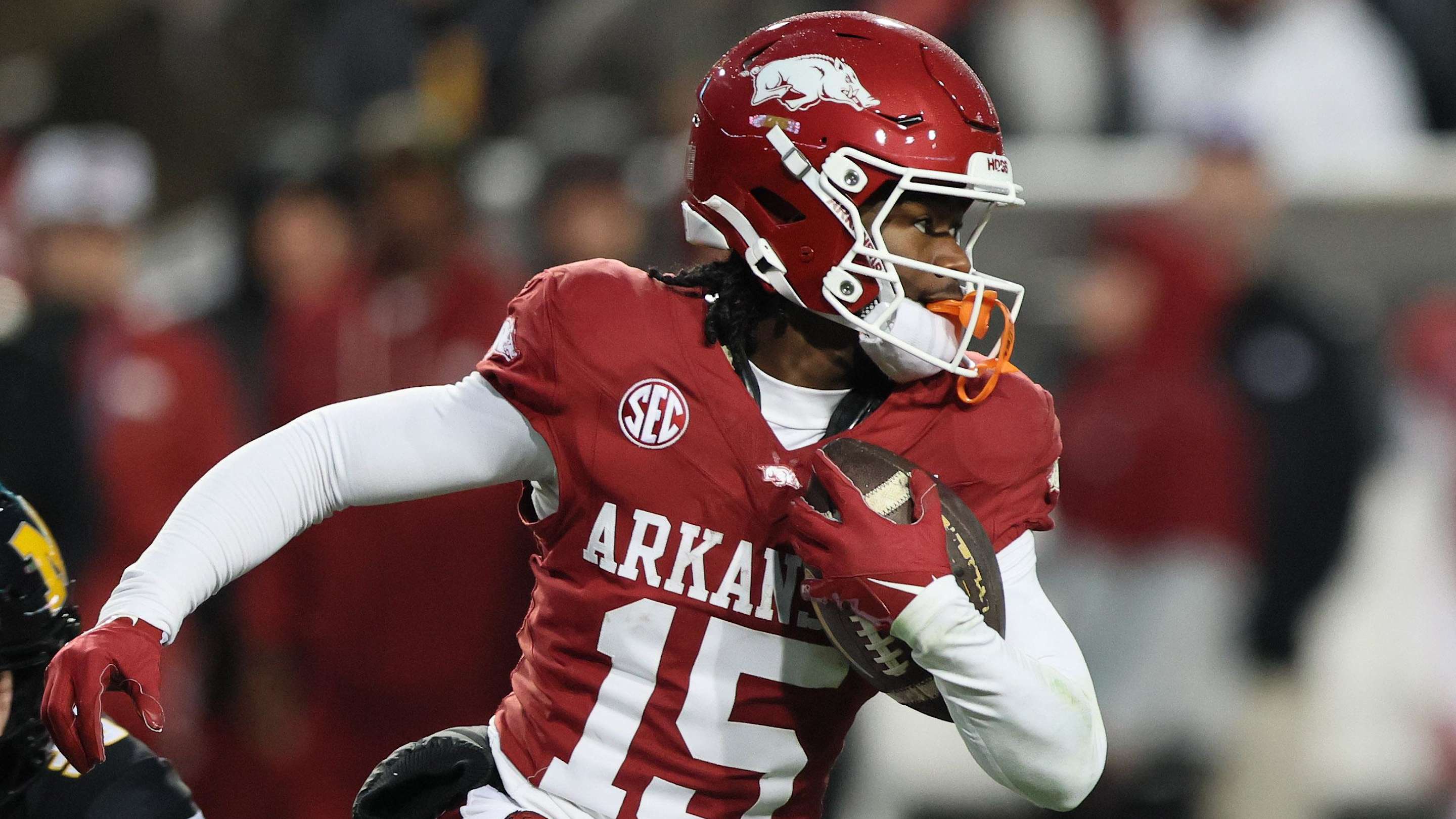
The Arkansas Razorbacks are gearing up for yet another daunting challenge as they prepare for the 2026 college football season. After navigating one of the toughest schedules in college football during 2025, early indications suggest that the upcoming season will not be any easier.
In 2025, the Razorbacks did not merely test the waters; they dove deeply into the most challenging aspects of their sport. According to Sports Illustrated, Arkansas finished with the hardest schedule in the entirety of the Football Bowl Subdivision (FBS). The Razorbacks faced opponents with a staggering combined winning percentage of 66.7 percent, the highest in college football, meaning that two out of every three games were against teams that typically win. This was more than just tough scheduling; it was akin to survival training.
A significant issue for the Razorbacks was their inability to schedule games that would positively impact these rankings. This lack of control likely contributed to coaching changes and reflects a broader decline in interest in Arkansas athletics compared to previous years. The Razorbacks” challenging position is compounded by their membership in the SEC, which inherently raises the stakes, and the 2025 season offered no respite. Six teams within the SEC ranked among the top twelve hardest schedules nationally, with Arkansas leading the pack.
Preseason evaluations by Phil Steele corroborated this, ranking the Razorbacks third nationally for schedule difficulty. Whether one examines magazine rankings or postseason statistics, the consensus is clear: Arkansas faced the toughest schedule in the nation. As they move into 2026, there is little evidence to suggest an easing of this burden. The Razorbacks” challenging ranking was not the product of a singular tough month, but rather the result of a grueling year-long schedule.
With opponents winning nearly 67 percent of their games in the previous year, few weekends on the calendar can be considered easy. This is the reality of life in the SEC, where opportunities for redemption are scarce and off weeks are rarely disguised as easy matches. Arkansas”s position at the top of the schedule rankings means that every game requires precision; errors can derail entire seasons.
A proverb states that “iron sharpens iron,” a sentiment often echoed by coaches and fans alike when optimism is needed. However, one must also remember that iron can cause damage when it collides with itself. Competing against the most challenging schedules in the nation often leads to unfavorable outcomes if a team does not have superior players. The Razorbacks did not merely face ranked teams; they contended against programs adept at closing out games, a critical distinction that can turn close contests into toss-ups.
As 2026 approaches, expectations remain high despite the challenges. The SEC”s rotation does not show signs of easing, and the strength of the conference remains formidable. Following a disappointing 2-10 season, the Razorbacks are not likely to receive any favors in scheduling. The rankings indicate that Arkansas continues to face some of the most formidable competition, suggesting that the internal challenges of the SEC will persist.
For the Razorbacks, the path forward entails a focus on player development and overcoming doubts. They must consistently attract top-tier talent to close the gap with their competitors, as they are already starting from behind. Moreover, they cannot afford to wait for scheduling opportunities that may never materialize. In a league that is responsible for generating some of the most difficult slates in the nation, relief is typically found elsewhere.