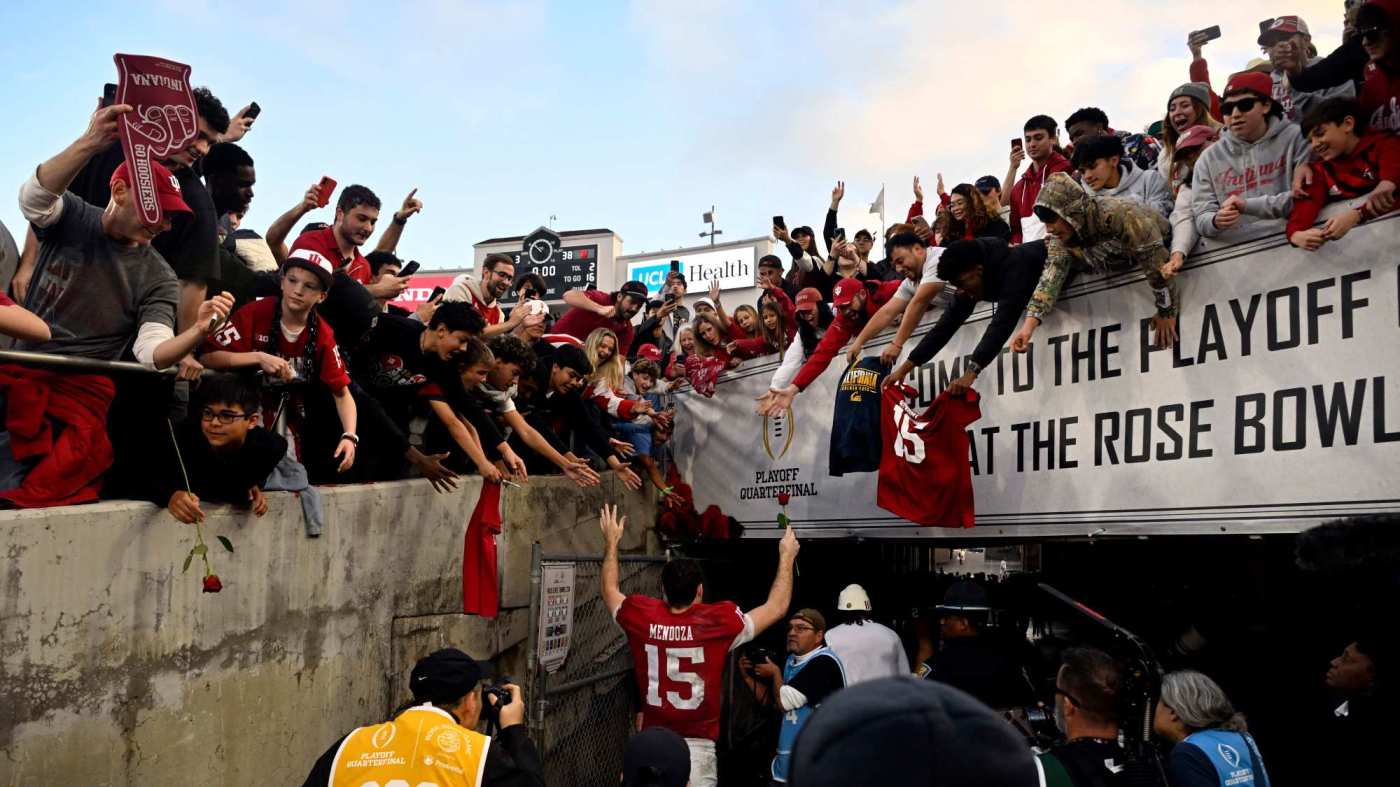
The landscape of college sports, particularly in football and basketball, is experiencing a tumultuous period that could lead to a decline in viewership and interest. While the major bowl games and College Football Playoff quarterfinals generate excitement, they often overshadow deeper issues that jeopardize the integrity of collegiate athletics.
Historically, college sports have relied on a sense of amateurism that now feels outdated. The vast financial disparity between the revenue generated by college sports and the benefits received by players has grown significantly. The rise of the transfer portal and the frequency with which players switch schools, often motivated by financial incentives, has contributed to a chaotic and unstable environment.
With the championship game location now settled, it”s time to address additional reforms. One suggestion is to reintroduce the rule requiring players to sit out a year when transferring. Limiting the number of transfers allowed per player could also be beneficial, as frequent changes often lead to questions about educational commitments.
Moreover, enforcing binding contracts for players could help stabilize the situation. For instance, the recent lawsuit by the University of Georgia against former player Damon Wilson II, who left after accepting a payment, highlights the need for accountability in agreements between athletes and institutions.
It”s crucial to abandon the “student-athlete” label and recognize players as employees within a multi-billion dollar industry. Acknowledging this reality could help college administrators push for necessary antitrust legislation in Congress. However, this shift would require granting collective bargaining rights to athletes, which could allow governing bodies, like the NCAA, to implement and uphold rules regarding player eligibility and transfers more effectively.
Additionally, the ongoing debates among athletes seeking extra eligibility should reflect the original agreements made when they enrolled in junior colleges. The expectation of moving to larger college programs was part of the deal when they chose that path.
One widely relatable issue is the excessive number of television commercials during game stoppages. Fans at stadiums often endure lengthy breaks filled with ads, detracting from the overall experience. Reducing commercial interruptions would enhance enjoyment for spectators.
In another area of concern, the distinction between amateur and professional sports is increasingly blurred. With colleges nurturing talent for leagues like the NFL and NBA, it raises the question of whether these leagues should contribute more towards player development expenses.
In a recent discussion, USC head coach Lincoln Riley directed blame towards Notre Dame for the decline of their rivalry, claiming the school breached a promise to play “any time, anywhere.” This assertion seems disingenuous, as no such commitment was made exclusively at USC”s convenience. Riley”s tenure at USC will likely be remembered for critical moments, such as the third-and-20 play that led to a loss against TCU in the Alamo Bowl.
In women”s professional basketball, negotiations between WNBA players and management continue as a deadline approaches, hinting at a potential work stoppage. The ongoing disparity in pay and conditions underscores the need for management to fairly compensate these athletes.
In hockey, the ECHL recently reached an agreement with its players following a brief walkout, while soccer”s USL Championship tier is facing challenges with their collective bargaining agreement expiring, pushing for better wages. These situations illustrate that labor disputes are not confined to leagues with players earning millions.
As an interesting note, the term “Forum Blue,” which referred to the color of uniforms worn by the Lakers and Kings during Jack Kent Cooke”s ownership, reflects the quirks of sports branding. Cooke preferred “Forum Blue” over purple, a distinction that lasted until Jerry Buss took over and allowed the traditional naming to return.
In conclusion, the current state of college sports demands significant reforms to ensure their sustainability and integrity. The issues at hand require thoughtful solutions that balance the interests of players, schools, and fans alike.