In the realm of high school football recruiting, certain positions are often misjudged, leading to discrepancies in player evaluations. With a focus on achieving competitive equity and enhancing national visibility, the Group of Five deserves its own postseason format. Having spent years in coaching roles at institutions like Virginia Tech, Virginia, Miami, and Christopher Newport, as well as evaluating talent as an NFL scout for the Pittsburgh Steelers and New Orleans Saints, it is clear that college programs do not overlook talent due to negligence. Instead, they struggle with the inherent difficulty in projecting certain positions.
One of the most problematic areas in recruiting is that of the quarterback. The process of quarterback evaluation intertwines talent assessment, psychological analysis, and the ability to predict future performance. Every year, highly touted quarterbacks fail to meet expectations, while lesser-known two- or three-star athletes emerge as key players for championship teams. This disconnect often arises because recruiters prioritize visible attributes such as arm strength or performance at camps over intangible qualities like decision-making speed, anticipation, and crisis management. The ability to lead teammates and maintain emotional control under pressure is crucial, yet these traits often go unnoticed in highlight reels.
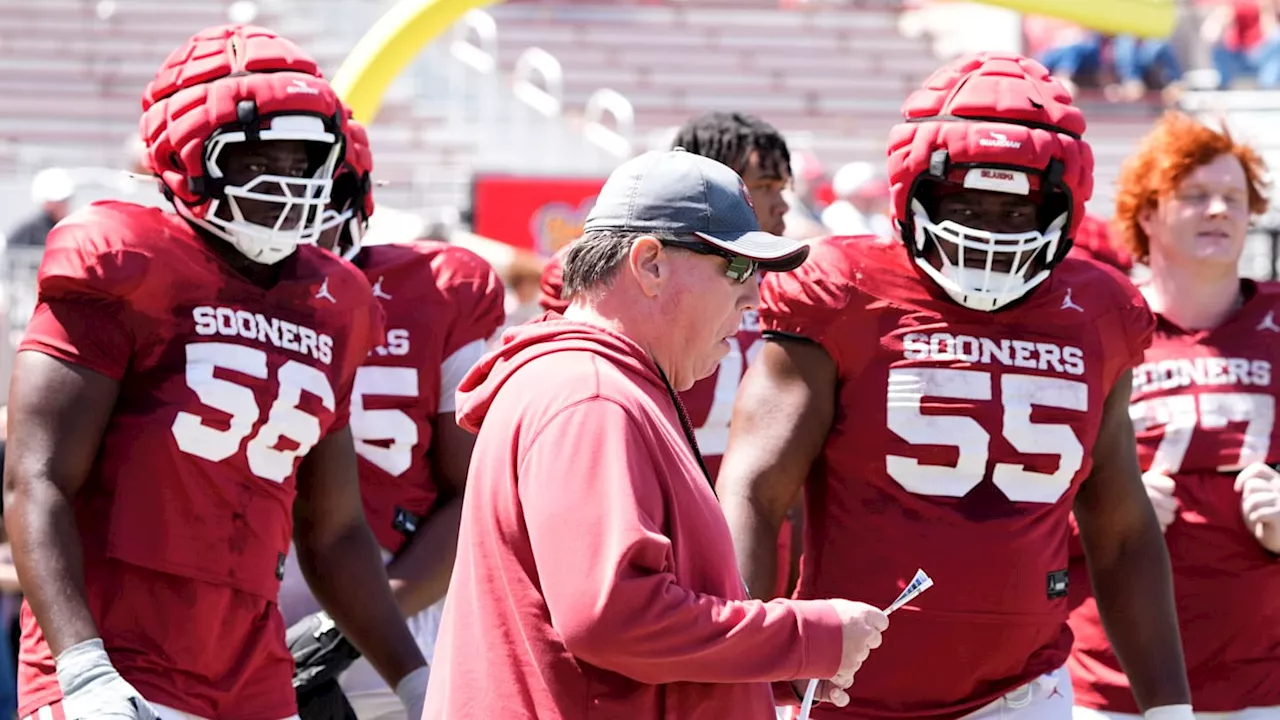
Another position that faces consistent mis-evaluation is the offensive line. This position takes the longest to develop physically and technically, leading to a reliance on size rather than skill among high school linemen. Many excel due to sheer physical dominance, facing opponents who lack collegiate-level skills. Furthermore, a player”s transformation from high school to college can be significant, affecting strength and agility. Indicators of future success in offensive linemen involve subtler attributes such as mobility, patience, and coachability, which may not be evident in highlight films. Evaluators should focus on a player”s potential for growth rather than their current state.
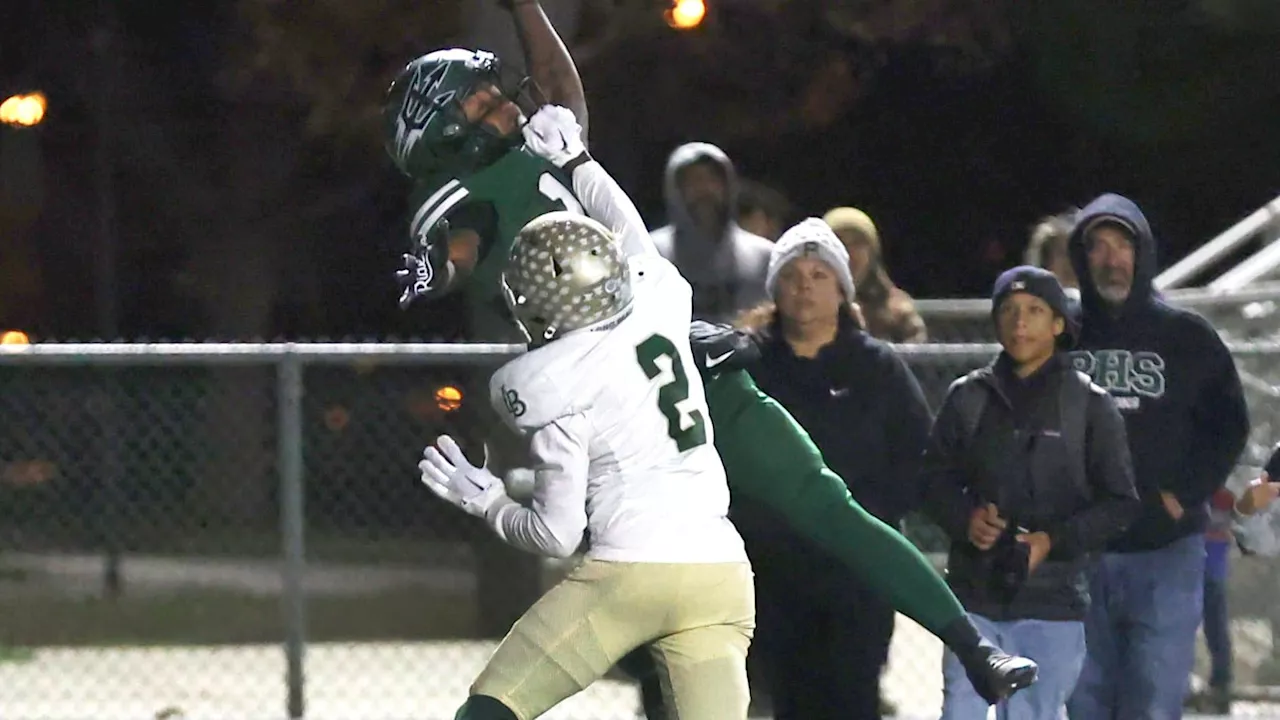
The cornerback position presents its own challenges in evaluation. While it may seem straightforward, projecting how a young athlete will perform against experienced competitors is difficult. High school cornerbacks often play in systems that do not test their skills adequately. The most important traits for cornerbacks, such as the ability to read routes and maintain composure under pressure, are often not captured on film. As a result, many are misjudged based on their speed alone, rather than their instincts and mental acuity.
Edge rushers often exhibit misleading statistics in high school. Many standout performers succeed due to superior athleticism rather than technical proficiency. The true measure of an edge rusher”s potential lies not in their sack numbers but in their understanding of technique, hand usage, and ability to adapt. This position requires a skill set that includes leveraging pressure and recognizing offensive plays, which is not always reflected in high school performances.
Lastly, the wide receiver position has been heavily influenced by the rise of social media, which can warp evaluations. Highlight reels often showcase spectacular plays while neglecting the essential skills that separate average receivers from elite ones. Attributes like physicality, route precision, and the ability to read defenses are crucial but often overlooked. Consequently, many receivers receive attention based on flashy plays rather than their overall discipline and execution.
These misjudgments stem from a common theme: the traits that lead to success in college football are not always the same as those that dominate in high school. As a result, evaluations often miss the mark, focusing on superficial metrics rather than development potential and football intelligence. Until the recruiting process shifts to prioritize these critical factors, positions such as quarterback, offensive lineman, cornerback, edge rusher, and wide receiver will continue to be misread.
In conclusion, the most effective recruiters are those who look beyond immediate performance metrics and understand the nuances of player development. They recognize the complexities of projecting young athletes into the competitive college landscape, which requires a keen eye for potential and a deeper understanding of the game.