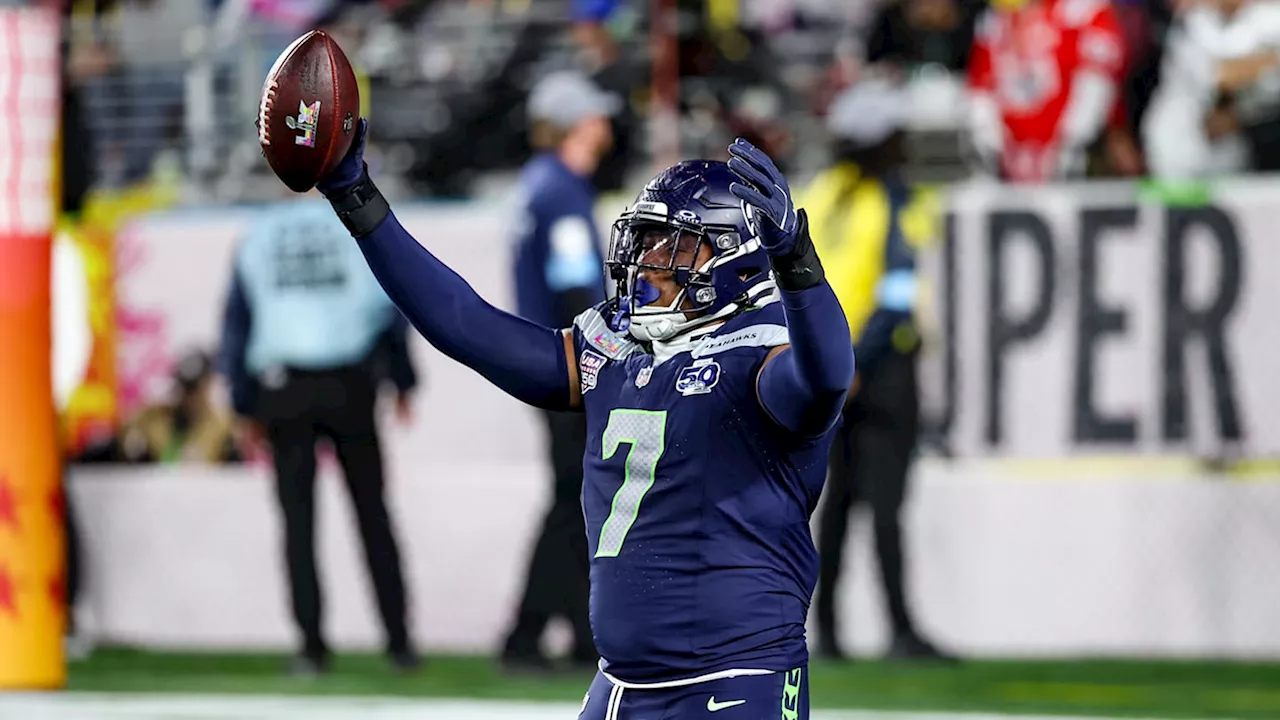
The recent championship successes of the Seattle Seahawks and Indiana Hoosiers highlight a shared formula for victory in football. Both teams have demonstrated that the right quarterback, discipline, and attention to the details can significantly influence championship outcomes.
During a visit to Bloomington, Indiana, last spring, coach Curt Cignetti emphasized the importance of finding a quarterback who fits the team”s needs. His acquisition of Fernando Mendoza from the transfer portal exemplified this strategy. Mendoza not only had the physical attributes desired but also the competitive spirit necessary to lead under pressure. His success culminated in winning the Heisman Trophy and guiding the Hoosiers to a national championship.
Similarly, the Seahawks benefited from the acquisition of Sam Darnold, who had a tumultuous career but found the right fit in Seattle. General manager John Schneider recognized Darnold”s potential and provided him the chance to shine, especially after trading away Russell Wilson and Geno Smith. This decision underscored a belief that success can come from unconventional choices, as seen in Darnold”s transformation into a Super Bowl-winning quarterback.
In the context of player evaluation, the NFL combine highlights speed and agility, yet both teams focused on players who excelled in crucial situations. Indiana”s Elijah Sarratt, for instance, led the nation in touchdown receptions, showcasing the importance of hands and playmaking ability over mere speed. The Seahawks mirrored this approach, with Jaxon Smith-Njigba earning accolades for his performance and AJ Barner proving to be a reliable target for Darnold.
Special teams also played a pivotal role in both teams” success. The Seahawks invested heavily in their special teams, resulting in exceptional performances from kicker Jason Myers and punter Michael Dickson, particularly during the Super Bowl. The Hoosiers, too, capitalized on special teams, utilizing players like defensive back D”Angelo Ponds as a dynamic returner, which contributed directly to their scoring opportunities.
Turnover management and discipline were critical factors in both championship runs. The Seahawks made history by not committing a turnover throughout the playoffs, while Indiana boasted an impressive turnover margin and low penalty yards per game. These statistics underscore that talent alone does not guarantee success; execution and the ability to minimize mistakes are essential.
Lastly, the coaching strategies of both teams have been instrumental in their achievements. The Seahawks opted for Mike Macdonald, a first-time head coach known for his defensive acumen. His innovative approach paid off, making him the first defensive play-calling head coach to win the Lombardi Trophy. Meanwhile, Cignetti”s comprehensive oversight at Indiana, where he effectively managed every aspect of the program, led to a historic turnaround for the team.
In conclusion, the journeys of the Seahawks and Hoosiers provide valuable lessons for future teams aspiring for championships. Their focus on fitting the right players, emphasizing special teams, managing turnovers, and innovative coaching can serve as a blueprint for success in football.