No two college football programs approach the transfer portal the same way, especially in the current era of Name, Image, and Likeness (NIL) deals. Factors such as roster flexibility, available resources, coaching staff changes, and financial stability all influence how a team acquires talent from the open market. A comparative look at the transfer classes among Big 12 teams reveals these differences starkly.
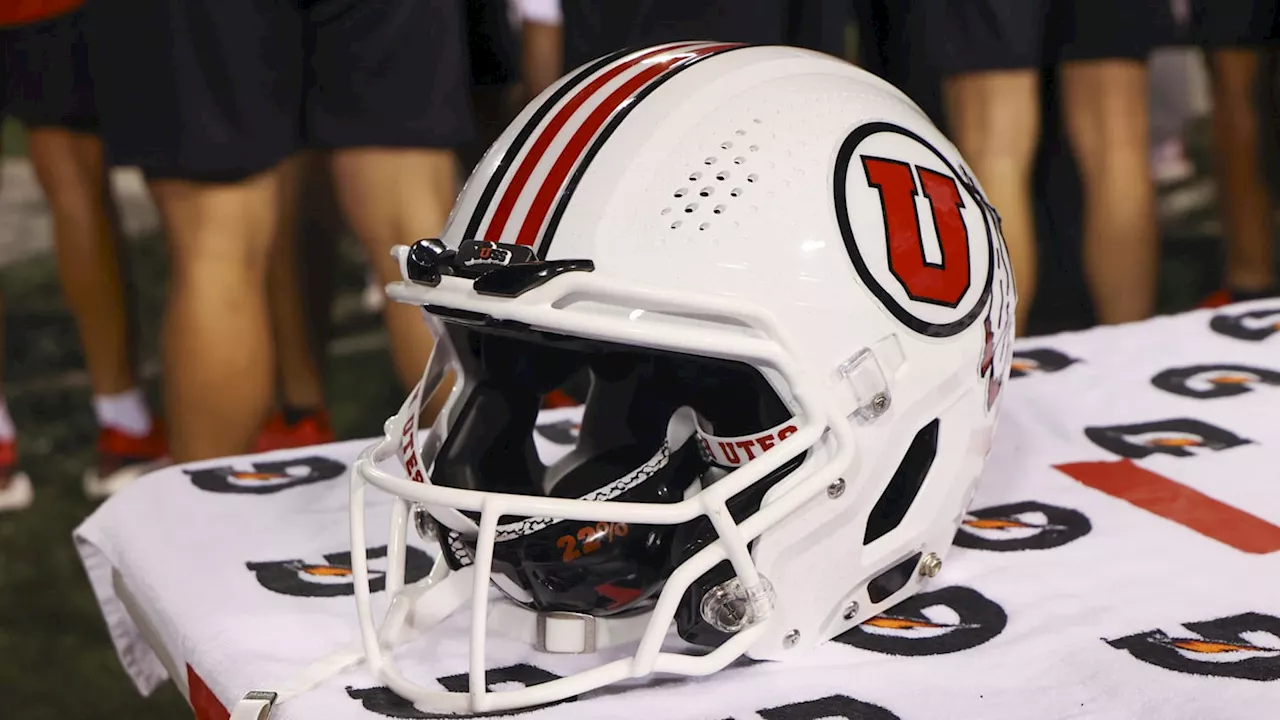
The Utah Utes have made a calculated move by signing 14 players through the transfer portal while experiencing 20 departures. In contrast, Oklahoma State has been exceedingly active, signing 54 players to address a staggering 64 departures. This level of turnover gives first-year head coach Eric Morris a fresh start as he aims to revitalize a program that struggled in the previous season.
Texas Tech has also made headlines, securing two top-10 transfers, including quarterback Brendan Sorsby and defensive lineman Mateen Ibirogba. With significant financial backing, the Red Raiders have positioned themselves favorably in national rankings, currently sitting at No. 14.
Arizona State faced considerable losses, including quarterback Sam Leavitt and running back Raleek Brown, but managed to bolster their offense with talented wide receivers Omarion Miller and Reed Harris. The Sun Devils have three blue-chip transfers, showcasing their continued competitive nature in the league.
The Baylor Bears have replaced potential NFL draftee Sawyer Robertson with former five-star recruit DJ Lagway, who arrives in Waco after a challenging season at Florida. The outcome of Lagway”s transition remains to be seen as he attempts to turn around his performance for the Bears.
At Kansas State, first-year head coach Collin Klein has secured defensive end Wendell Gregory, a promising addition from Oklahoma State who ranked fifth in the Big 12 for tackles for loss last season. Kansas State has gained two blue-chip players in this transfer cycle.
BYU opted for a more restrained approach, bringing in a top-50 class with notable transfers, including linebacker Cade Uluave and tight end Walker Lyons. This strategy reflects their ability to adapt without needing extensive roster overhaul.
The Cincinnati Bearcats are reworking their offense after losing key players, including quarterback Brendan Sorsby, but have made strides by securing a top wide receiver from the Mid-American Conference. This addition establishes a solid foundation for their upcoming season.
Utah, having lost several impactful players to Michigan, turned to the transfer portal to acquire Braden Pegan, a highly productive pass-catcher from the Mountain West. Despite the challenges, the Utes aim to maintain their competitive edge.
UCF is facing uncertainty at quarterback with multiple players entering the portal, prompting them to recruit three new signal-callers to establish depth going into the next season.
Overall, the competitive landscape in the Big 12 is evolving rapidly as teams leverage the transfer portal to reshape their rosters, with each program taking distinct paths to prepare for the upcoming season.