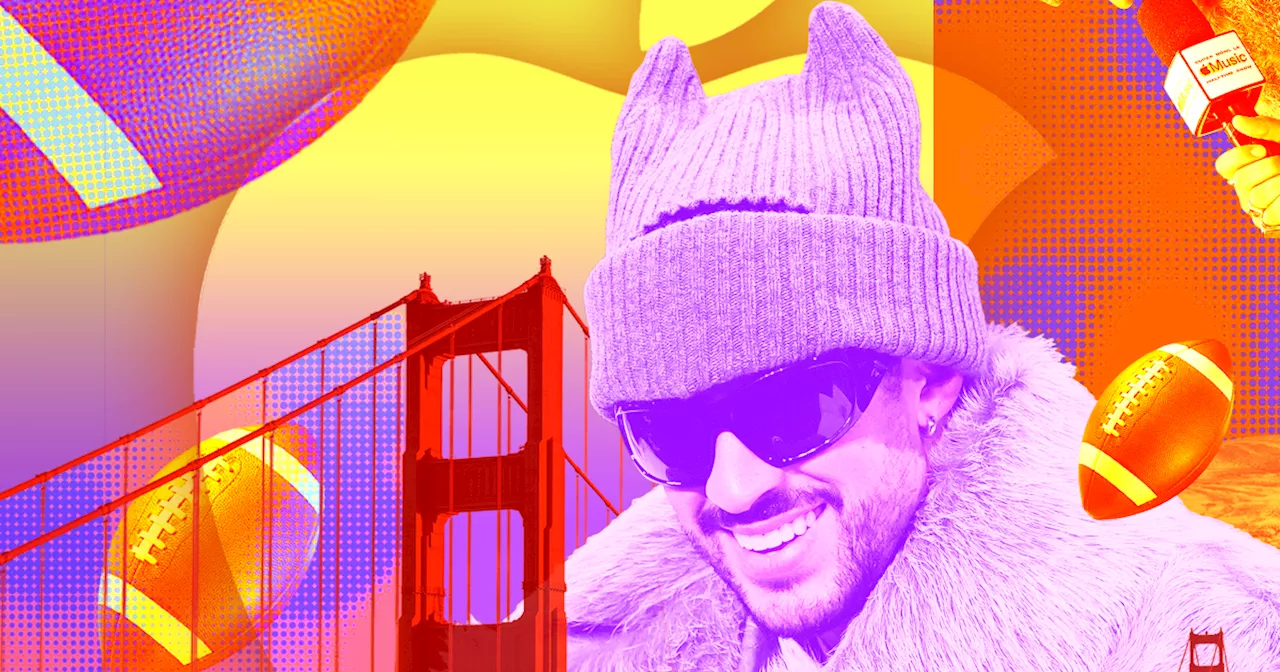
The real victor of the Super Bowl halftime show featuring Bad Bunny was not the artist himself, nor the Latino community, but rather the NFL. By enlisting the Grammy-winning artist, the NFL showcased its commitment to expanding its reach globally.
Bad Bunny, the Puerto Rican superstar, delivered a performance that resonated with audiences and sparked discussions long after the show ended. Although he didn”t break the internet, his presence kept the conversation alive, demonstrating his immense influence as a global music icon.
The halftime show attracted an impressive 128.8 million viewers, contributing to the overall 125 million viewers for the Super Bowl matchup between the Seattle Seahawks and the New England Patriots. While international viewership numbers are still awaited, Bad Bunny”s position as the most streamed artist globally suggests that those figures will be significant.
Xavier Gutierrez, co-founder of Latinos in Sports, highlighted the NFL”s decision to stick with Bad Bunny despite initial criticisms as a testament to the inclusive nature of sports. He stated, “If you look at the time that we”re living in right now in which there are people basically saying to this community, you don”t belong. You know who”s not saying that? Sports.”
This strategic booking was not simply an act of goodwill; it was grounded in business savvy. The NFL is the richest sports league worldwide, yet it still seeks to grow its audience beyond the U.S., especially when compared to the 1.5 billion viewers of the FIFA World Cup final. The league”s ongoing efforts to schedule regular-season games internationally since 2005 reflect its ambition for global expansion.
Recently, the NFL announced plans for nine international games, including three in London and one each in cities like Rio de Janeiro, Mexico City, and Paris. This initiative is part of the NFL”s global markets program, aiming to boost brand awareness and engagement in 21 countries. Bad Bunny”s halftime performance fits perfectly into this strategy as he represents cultural relevance and economic power.
Gutierrez pointed out that engaging with globally recognized artists like Bad Bunny not only elevates the NFL”s cultural relevance but also attracts a diverse audience. The success of Bad Bunny”s merchandise and concert revenue further illustrates the economic potential of associating with such prominent figures.
As the NFL continues to embrace a global audience, the question remains: who will take the stage next year in Los Angeles? Names like BTS could be on the horizon, given the immense popularity of K-Pop.
Will Hernandez, an offensive lineman for the Arizona Cardinals, praised the NFL”s choice of Bad Bunny, saying, “It”s a great example of the league putting their money where their mouth is…everything they”re doing is huge too.” The NFL”s investment in Latino communities and cultural representation is a strategy that appears to be paying off, as evident from the positive response from fans.
In conclusion, Bad Bunny”s performance at the Super Bowl halftime show not only entertained millions but also reinforced the NFL”s dedication to inclusivity and global expansion.