During the halftime show at Super Bowl 60, Bad Bunny delivered a powerful performance that transcended cultural boundaries, celebrating the diverse identities of the Americas. The event took place on February 8, 2026, in Santa Clara, California, as the New England Patriots faced off against the Seattle Seahawks.
As he wrapped up his performance, Bad Bunny spoke a few words in English, declaring, “God Bless America.” This marked a significant moment for the artist, who then proceeded to highlight various countries across the Americas, which included both the United States and Canada. A backdrop during his performance displayed the phrase, “The only thing more powerful than hate is love,” reinforcing a message of inclusivity and unity.
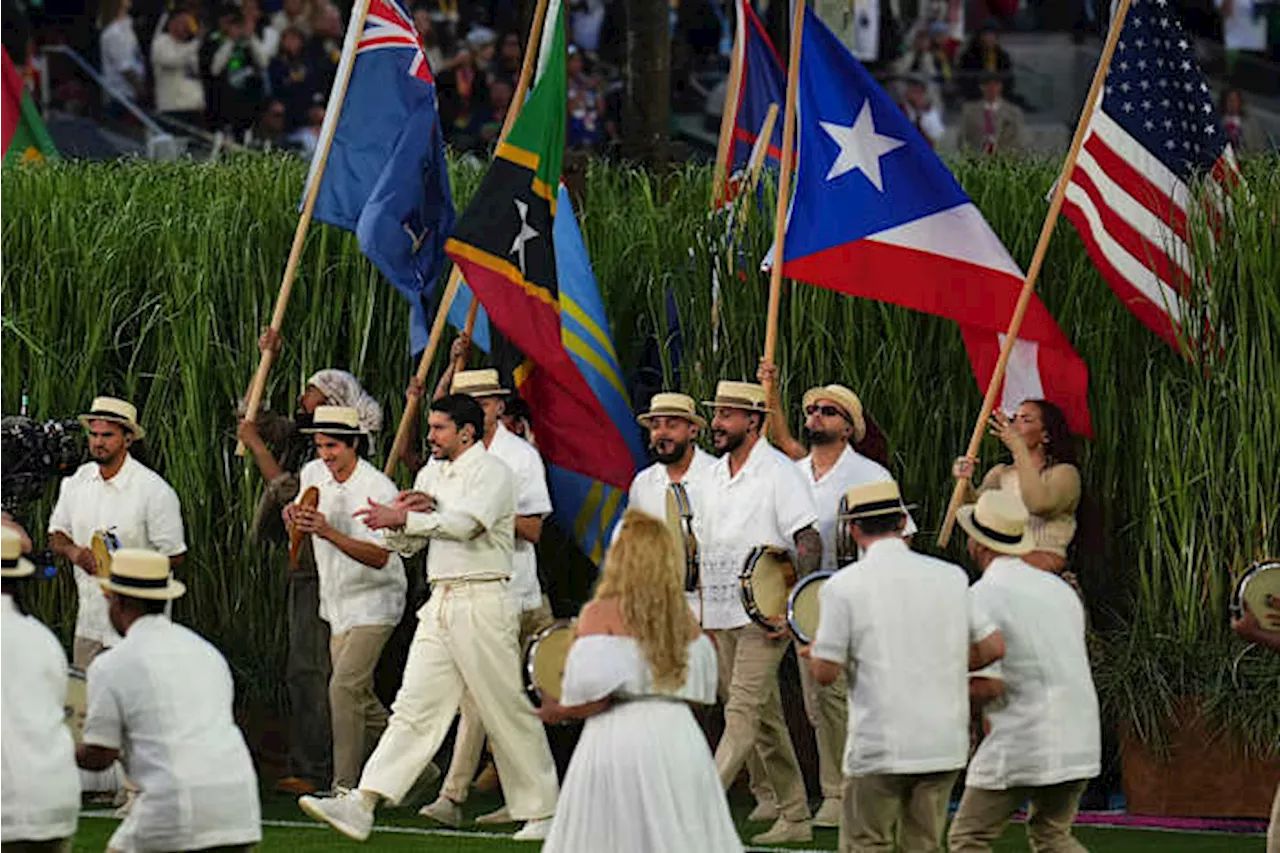
The performance came under scrutiny from some critics who labeled it as un-American, despite Puerto Ricans being U.S. citizens. Bad Bunny”s show, however, aimed to redefine the narrative surrounding American identity. He was joined by a vibrant crowd waving flags representing various countries throughout the Americas, which underscored a profound statement of belonging.
Petra Rivera-Rideau, an associate professor of American studies at Wellesley College, remarked on the significance of Bad Bunny”s message, stating, “This is a really profound statement of Latino belonging in the United States and immigrant belonging in the United States.” She noted that the artist was aware of the backlash against his performance, which stemmed from misconceptions that a Spanish-language show would exclude audiences.
Reanna Cruz, a music critic, emphasized the importance of community highlighted in Bad Bunny”s performance, stating, “If we have nothing else in times of hardship, we have community and we have joy.” This perspective reflects the artist”s vision of America as a vast, interconnected entity that encompasses numerous cultures and heritages.
Christopher Campo-Bowen, an assistant professor of musicology at Virginia Tech, noted that Bad Bunny presented a broad definition of what it means to be American, incorporating themes of Puerto Rican sovereignty and culture into his performance. He stated, “He is presenting everything that he finds that makes Puerto Rico unique,” while simultaneously promoting the idea of unity among all Americans.
The halftime show was not just a celebration of music but also a commentary on the complexities of identity, especially for Puerto Ricans. Rivera-Rideau highlighted the historical context of Puerto Rico”s status as a U.S. territory, explaining the implications of citizenship rights that Puerto Ricans face. She pointed out the significance of the colors of the Puerto Rican flag displayed during the performance, which symbolize broader themes of independence and identity.
Vanessa Díaz, an associate professor of Chicano and Latino studies, described the performance as “profoundly political,” using the stage to advocate for Latino representation in the United States. She noted the contrast between Bad Bunny”s inclusive message and more traditional conservative narratives about American identity.
Ultimately, Bad Bunny”s halftime show at Super Bowl 60 served as a reminder of the rich tapestry of cultures that contribute to American identity, advocating for unity, joy, and representation in a time of division.